
Common Challenges When Integrating a 3PL with Cin7 Core
 by Linda August 13, 2026 · Uncategorized
Introduction
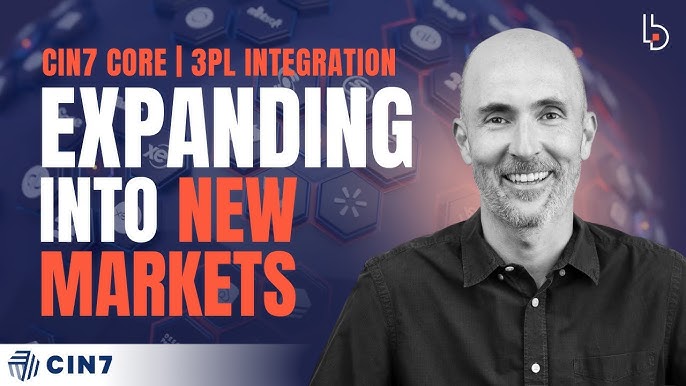
Outsourcing warehousing and fulfillment to a third-party logistics provider (3PL) can help e-commerce businesses manage growth without expanding their own warehouse operations. However, connecting a 3PL with an inventory management platform such as Cin7 Core requires careful planning.
A successful integration should allow orders, inventory, shipment updates, and other important information to move between systems accurately. When integration problems occur, they can affect customers, warehouse teams, and financial processes. Understanding the common challenges can help businesses prepare more effectively.
3PL and Cin7 Core Integration Challenges
1. Different Systems, Different Data Structures
One of the first challenges is that Cin7 Core and a 3PL’s warehouse management system may organize information differently. Product SKUs, customer details, order statuses, warehouse locations, and other fields may use different formats.
If these fields are not mapped correctly, information may be transferred incorrectly or fail to reach the right destination. Before integration begins, businesses should review how both systems store and identify essential information.
2. Keeping Inventory in Sync
Inventory accuracy is one of the most important parts of a 3PL integration. Stock can change because of sales, returns, damaged goods, warehouse adjustments, and incoming shipments.
If inventory updates do not move between Cin7 Core and the 3PL quickly and accurately, the e-commerce store may display incorrect stock levels. This can result in overselling, cancelled orders, or unnecessary customer complaints. Businesses should establish clear rules for which system acts as the primary inventory source and how stock adjustments are communicated.
3. Managing Order Statuses
An e-commerce order can pass through several stages, including processing, picking, packing, dispatch, and delivery. However, a 3PL may use different terminology or status codes from Cin7 Core.
Without appropriate mapping, an order may appear stuck or show an incorrect status. Customers may also receive delayed or inaccurate updates. A well-designed integration should define how each status in one system corresponds to a status in the other.
4. Handling Returns and Exceptions
Returns are often more complicated than standard orders. Products may be received by the 3PL, inspected, restocked, or placed into a separate location.
Other exceptions can include damaged products, partial shipments, failed deliveries, and cancelled orders. These situations need to be reflected correctly across connected systems. Businesses should plan for these scenarios instead of designing integrations only around straightforward sales orders.
5. Dealing With API and Connectivity Issues
Technical problems can interrupt data exchange. API limitations, authentication failures, temporary outages, or changes to system configurations can prevent information from synchronizing.
Even a short interruption can create operational problems when order volumes are high. Monitoring tools, error notifications, and clearly defined recovery procedures can help teams identify and resolve issues quickly.
6. Maintaining Integration as the Business Changes
An integration that works today may need adjustments as the business grows. New warehouses, sales channels, products, or fulfillment services can introduce additional requirements. Regular reviews can help ensure the integration continues to support changing work-flows.
Conclusion
Integrating a 3PL with Cin7 Core can improve inventory visibility, order management, and fulfillment efficiency. However, businesses must prepare for challenges involving data, stock, order statuses, returns, and technical connectivity.
With careful planning and the right integration strategy, companies can build a connected fulfillment process that supports both customer satisfaction and long-term e-commerce growth.


Recent Comments